You stare at the bedroom ceiling while another humid July night refuses to cool down. Opening the window brings in traffic noise, not a breeze. You decide to look into home air conditioning. Then the hesitation kicks in. Everyone assumes it costs a small fortune. People picture industrial chillers and eye-watering electricity bills. The reality is much more nuanced.
Modern split systems do far more than blast cold air during a two-week heatwave. They operate as highly efficient air source heat pumps. They filter pollen, dehumidify sticky rooms, and supply gentle warmth when autumn bites. Let us break down what you will actually pay for installation, hardware, and day-to-day energy use across domestic and commercial spaces.
Upfront installation costs: What to expect on your quote
Every property presents a different puzzle. Your final quote depends on pipe runs, electrical supply, and the layout of your rooms. Equipment quality matters just as much as labor. Air conditioning installation prices start from £1300 onwards, scaling up depending on the size of the space and the complexity of the setup.
Single-split systems
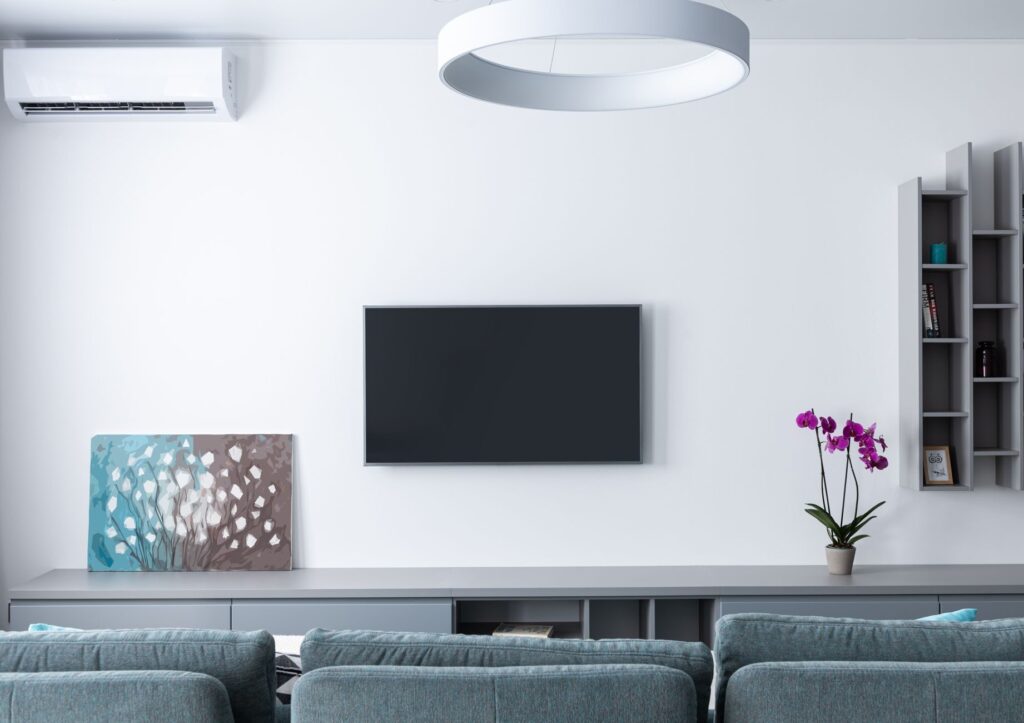
A single-split system pairs one indoor wall unit with one outdoor compressor. This setup suits a master bedroom, a loft conversion, or a home office. Prices start from our baseline rate of £1300 and scale up based on cooling capacity. You get precise climate control for a single zone. Installation usually takes less than a day.
Multi-split systems
Running three or four indoor heads off a single outdoor compressor requires a multi-split setup. This approach keeps your exterior walls clear of clutter. It also allows independent temperature control in every room. Naturally, the hardware costs more, and routing refrigerant lines through multiple floors demands experienced engineers.
Always demand an F-Gas certified installation team. Poor pipe flaring leads to refrigerant leaks, which destroy efficiency and violate UK environmental law. Our engineers hold full F-Gas certification, backed by over 20 years of trading experience and 5-star ratings from local property owners.
What drives the total price on your quote?
Transparent pricing means knowing where your money goes. A professional quote splits costs clearly across specific categories.
- Hardware and units: The indoor and outdoor air conditioning units themselves, chosen for your room volume.
- Materials: Copper pipework, electrical cabling, trunking, condensate drains, and mounting brackets.
- Labour: Certified engineers, electrical connection work, and system commissioning.
- VAT: Standard rates apply to most standard cooling installations, though heat pump updates sometimes qualify differently.
Beware of cheap quotes that leave out electrical spurs or condensation pumps. Hidden extras always sting later.
Understanding running costs per hour and day
Energy prices dictate your monthly overheads. Because modern units rely on inverter technology, they rarely run at maximum output. Once they reach your target temperature, they simply sip power to maintain it.
When energy caps shift, your per-kWh rate changes with them. Modern systems boast high efficiency ratings. For every single kilowatt of electricity consumed, a quality unit often pumps out three or four kilowatts of thermal energy. That coefficient of performance makes modern air conditioning vastly superior to old-school portable plug-in heaters or inefficient electric radiators.
If you want to keep bills low, schedule an annual service. We provide thorough engineer call-out checks starting from £95 + VAT, alongside structured maintenance plans starting from £60 + VAT per year to keep your hardware running at peak efficiency.
Planning permission, regulations, and business compliance
Most domestic installations fall under permitted development rights. You rarely need formal planning permission. Conservation areas and listed buildings change the rules entirely. Always check with your local authority before mounting a compressor on a street-facing wall.
Commercial spaces operate under stricter guidelines. Business properties often require specific compliance checks, such as our tailored TM44 energy inspections for larger air conditioning systems (available via POA / tailored quote). Staying compliant protects you from unexpected fines.
Year-round value: Why cooling is only half the story
Treating air conditioning as a seasonal luxury is a mistake. The real financial value emerges during the shoulder seasons. Instead of firing up your central gas boiler on a chilly October morning, you can switch your wall units to heating mode.
Extraction of ambient heat from outside air happens instantly and cleanly. You heat only the room you are sitting in. This targeted approach prevents wasted energy across empty hallways. Pair this flexibility with our 20-year warranty support on select installations, and your climate control system becomes a long-term investment in property comfort.
Frequently Asked Questions
How much does it cost to install AC in a 3-bedroom house?
A typical three-bedroom home usually requires a multi-split configuration starting from our base equipment and labour thresholds, scaling up depending on pipe runs and electrical requirements. A standard domestic installation typically spans a multi-day project. We recommend booking a free site survey to get an exact figure for your layout.
How much does air conditioning cost to run per hour in the UK?
Running costs depend entirely on your current electricity tariff and unit efficiency. Because inverter compressors throttle down once the room is cool, a standard wall unit might cost only pence per hour to maintain a stable temperature. Real-world usage varies based on your target thermostat setting and local weather.
Do you need planning permission to install air conditioning in the UK?
Most standard residential installations do not require planning permission as long as the outdoor unit stays within permitted size limits and sits away from property boundaries. Listed buildings, flats, and conservation areas require prior local authority approval before any work begins.
Is air conditioning expensive to maintain?
Routine maintenance is straightforward and inexpensive. Our maintenance plans start from £60 + VAT annually. An annual service prevents efficiency drops, checks refrigerant levels, and cleans filters. Proactive servicing avoids costly emergency call-outs.
Can air conditioning heat my home in the winter?
Yes. Modern reverse-cycle air conditioning units function as efficient air source heat pumps. They provide powerful, rapid heating during cold weather, often outperforming traditional electric heaters while using significantly less energy.
Book Free Consultation
Arrange your free site survey today and discover the right climate control setup for your property.